The Beginners Guide to Gut Health (What You Need to Know)

Updated: Jul 26
Hey sista! I'm coming to you today to talk about gut health as it is an extremely important part of your wellness journey. Gut health plays a crucial role in overall well-being, yet many people overlook its importance until problems arise. Understanding what gut health means, recognizing signs of imbalance, and knowing how to support your digestive system can transform your health. This is why I built my wellness app, Sanaa for this very reason. She will help you become the woman who know how to take care of herself and finally crush your wellness goals.
Now in this guide breaks down the essentials of gut health for beginners, highlighting practical steps and cultural foods from the African Diaspora that promote healing and anti-inflammation. Remember, this post is for educational purposes only and not a substitute for professional medical advice.
What Does Good Gut Health Mean?
Gut health refers to the balance and function of the digestive system, especially the gut microbiome—the trillions of bacteria, viruses, and fungi living in your intestines. A healthy gut efficiently digests food, absorbs nutrients, supports the immune system, and maintains a balanced microbiome that protects against harmful pathogens.
Good gut health means:
Regular and comfortable digestion
Balanced gut bacteria diversity
Strong immune response
Reduced inflammation in the digestive tract
When your gut is healthy, you often feel energized, have clear skin, and experience fewer digestive issues.
Signs You May Have Poor Gut Health
Identifying poor gut health early can help you take action before more serious problems develop. Watch for these physical symptoms:
Digestive discomfort: Bloating, gas, diarrhea, constipation, or heartburn
Fatigue: Feeling tired even after adequate rest
Skin problems: Acne, eczema, or rashes
Food intolerances: Difficulty digesting certain foods like dairy or gluten
Mood changes: Anxiety, depression, or brain fog linked to the gut-brain connection
Frequent infections: A weakened immune system can result from gut imbalance
If you notice several of these signs persistently, it may indicate your gut needs attention.
Steps to Improve Gut Health
Improving gut health involves a combination of diet, lifestyle, and sometimes supplements. Here are practical steps to get started:
Focus on Anti-Inflammation Foods
Chronic inflammation damages the gut lining and disrupts the microbiome. Eating anti-inflammatory foods helps soothe and repair the digestive tract. Many traditional foods from the African Diaspora are rich in fiber, antioxidants, and nutrients that support gut health:
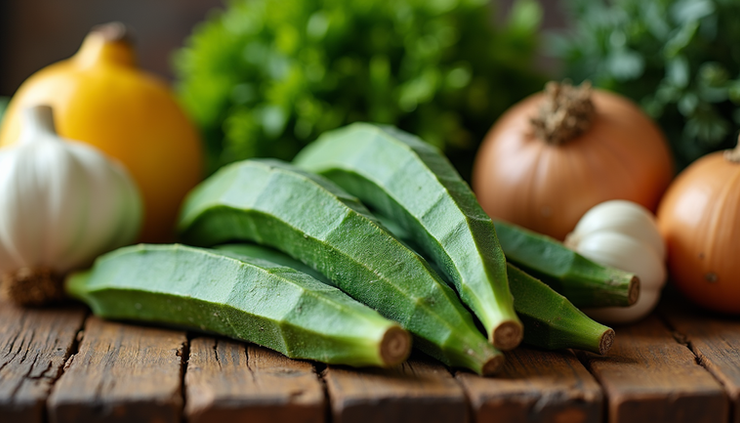
Vegetables: Okra, collard greens, dandelion greens, mustard greens, celery, onions, garlic
Starchy roots and fruits: Sweet potatoes, plantains, cassava, papaya, guava, mango, lemons, pineapples, coconut
Proteins: Salmon, mackerel, bone broth (rich in collagen and amino acids)
Spices: Turmeric and ginger, known for their anti-inflammatory properties
Including these foods regularly can promote a balanced gut environment.
Stay Hydrated with Gut-Friendly Liquids
Water is essential for digestion and nutrient absorption. Herbal teas like ginger or turmeric tea can reduce inflammation and aid digestion. Bone broth is another excellent liquid choice, providing minerals and compounds that support gut lining repair.
Consider Supplements Wisely
Supplements can support gut health but should be chosen carefully:
Probiotics: Help restore beneficial bacteria
Prebiotics: Feed good bacteria (found naturally in many fibrous foods)
Digestive enzymes: Aid in breaking down food for better absorption
Consult a healthcare professional before starting supplements to ensure they fit your specific needs.

How Long Does It Take to See Improvement?
Gut healing is a gradual process. You may notice some changes within a few days to weeks, such as reduced bloating or improved digestion. However, full restoration of gut balance can take several months depending on the severity of imbalance and consistency of lifestyle changes.
Key reminders:
Be patient and persistent with dietary changes
Avoid processed foods, excess sugar, and alcohol during this period
Track your symptoms to notice gradual improvements
Adjust your approach based on how your body responds
Consistency is more important than quick fixes when it comes to gut health for beginners.
Embracing Cultural Foods for Gut Health
The African Diaspora offers a rich variety of foods that naturally support gut health and reduce inflammation. These traditional ingredients have been used for generations to nourish the body and maintain digestive balance. Incorporating these foods into your diet not only supports your gut but also connects you to cultural heritage and holistic wellness.
Some examples include:
Okra: High in fiber and mucilage, which soothes the gut lining
Collard greens and mustard greens: Packed with vitamins and antioxidants
Plantains and sweet potatoes: Provide resistant starch that feeds good bacteria
Bone broth: Supports gut lining repair with collagen and minerals
Turmeric and ginger: Reduce inflammation and improve digestion
Using these foods regularly can build a strong foundation for gut health.

Final Thoughts on Gut Health for Beginners
Gut health affects many aspects of your life, from digestion to mood and immunity. By recognizing symptoms of imbalance and taking steps to include anti-inflammatory, nutrient-rich foods—especially those from the African Diaspora—you can support your gut’s healing journey. Remember to stay patient, as improvements take time, and consult healthcare professionals for personalized advice.
Start small by adding one or two gut-friendly foods to your meals each day and notice how your body responds. Building good gut health is a powerful step toward overall wellness.
If you want a full system to help you stay on track in you wellness journey download my wellness app, Sanaa. She is an all in one digital wellness system that is culturally rooted and helps you stay consistent with your food and your habits. It will be your greatest companion on your wellness journey yet. Click the link above or the picture below to download today.

-As Always, Peace & Love
Jess


Comments